
Fence strip maintenance - how to care for PE fence panels
PE strips require virtually no maintenance. Learn how to clean them, how long they last, and why they outperform wooden fences.
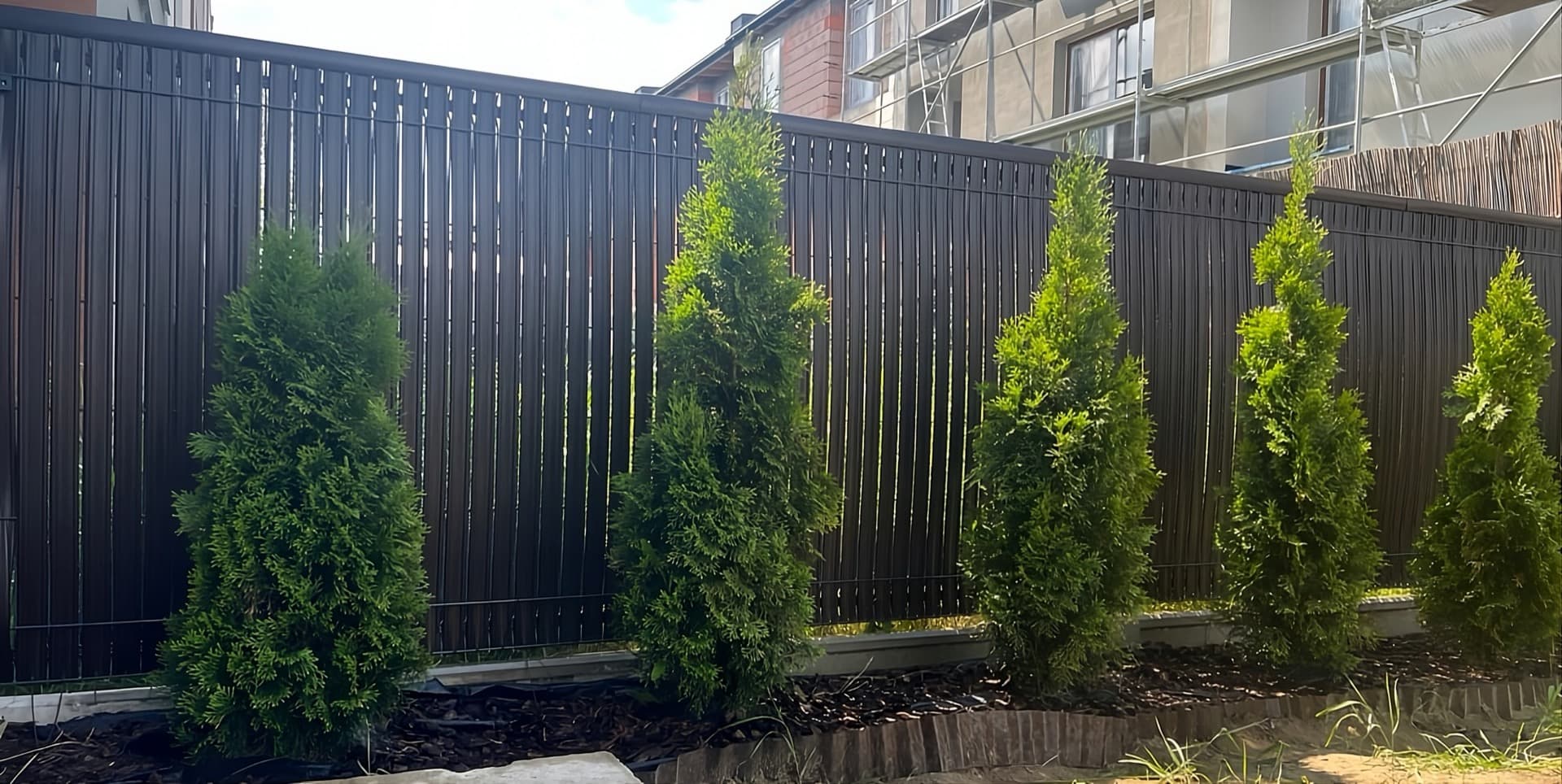
One of the biggest advantages of polyethylene (PE) fence strips is that they require virtually no maintenance. No painting, staining, or varnishing. In this guide, we explain how to keep your strips looking like new for years and compare them with traditional fencing materials.
Why PE strips need no maintenance
Our fence strips are made from polyethylene (PE) - the same material used to manufacture garden furniture, food containers, and water pipes. Polyethylene is inherently resistant to moisture, UV radiation, frost, and most chemicals. This means:
- No rotting or mold - unlike wood.
- No rusting - unlike metal.
- No fading in sunlight - thanks to UV stabilizers added to the material.
- No painting, varnishing, or staining required - ever.
- No cracking from frost - withstands temperatures from -30 to +80 degrees Celsius.
Cleaning the strips - when and how
Although PE strips don't require regular maintenance, it's worth cleaning them occasionally - especially after winter or heavy rains that may splash soil onto the fence.
- Garden hose - in most cases, rinsing the strips with a garden hose is sufficient. The water stream will remove dust, pollen, and light dirt.
- Pressure washer - for tougher stains (e.g., green algae, bird droppings), use a pressure washer on a low setting (up to 80 bar). Keep the nozzle at least 30 cm from the strip.
- Soapy water - stubborn stains can be removed with a soft cloth soaked in warm water with a drop of dish soap.
Tip: Do not use solvents, acetone, or aggressive chemicals. Polyethylene resists most substances, but strong solvents can damage the strip surface.
Weather resistance
PE strips are designed to withstand Central European climate conditions for many years without losing their properties:
- Frost - polyethylene maintains flexibility even at temperatures down to -30 degrees Celsius. It doesn't crack, break, or become brittle in winter.
- Heat - withstands temperatures up to +80 degrees Celsius. Even direct sunlight on the hottest days won't damage the material.
- Rain and moisture - polyethylene doesn't absorb water. The strips won't swell, warp, or rot.
- UV radiation - UV stabilizers built into the material protect the color from fading. The color stays vibrant for many seasons.
- Wind - properly installed strips (with pegs and covering strip) are resistant to strong winds.
Comparison with wooden fences
Wood is a traditional fencing material, but it requires significantly more attention:
- Impregnation - wood needs to be treated every 1-2 years. The cost of preservatives and labor time is a hidden expense.
- Painting/varnishing - to keep wood looking good, it needs regular renewal. Old paint peels and looks unsightly.
- Rot - even treated wood rots over time, especially in contact with soil. Bottom boards need replacing every few years.
- Insects - woodworm and other insects can damage wooden fences.
- Warping - wood moves with the seasons - it swells with moisture and shrinks in dry weather, causing boards to warp.
PE strips eliminate all these issues. Once installed, you don't need to worry about them for many years.
Durability and lifespan
Polyethylene fence strips maintain their properties for over 10 years of normal use. In practice, this means:
- Color doesn't fade thanks to UV stabilizers.
- Material doesn't become brittle with age.
- Surface doesn't peel or crack.
- Strips maintain flexibility and durability throughout their service life.
10+ years
PE strip lifespan
0 PLN
annual maintenance cost
0 hours
annual maintenance time
Replacing a damaged strip
If a single strip gets mechanically damaged (e.g., by a lawnmower or vehicle), replacement is straightforward:
- Remove the top covering strip from the relevant panel span.
- Pull out the mounting peg from the damaged strip.
- Slide the damaged strip upward and out.
- Slide in the new strip and secure it with a peg.
- Reattach the covering strip.
Tip: When ordering a larger quantity of sets, consider getting a few spare strips - they'll come in handy for any future mechanical damage.
Summary
PE fence strips are an "install and forget" solution. They require no painting, staining, or any regular maintenance. The only thing you might do is occasionally rinse them with water. Thanks to their resistance to frost, UV, and moisture, they maintain their appearance for over a decade - without any effort or additional cost. Compared to wood, which needs annual attention, this is a huge saving in both time and money.