
Panel fence - how to beautify it and give it character
How to transform a plain panel fence? Strips, climbing plants, lighting - proven methods for a 3D panel makeover with cost comparison.
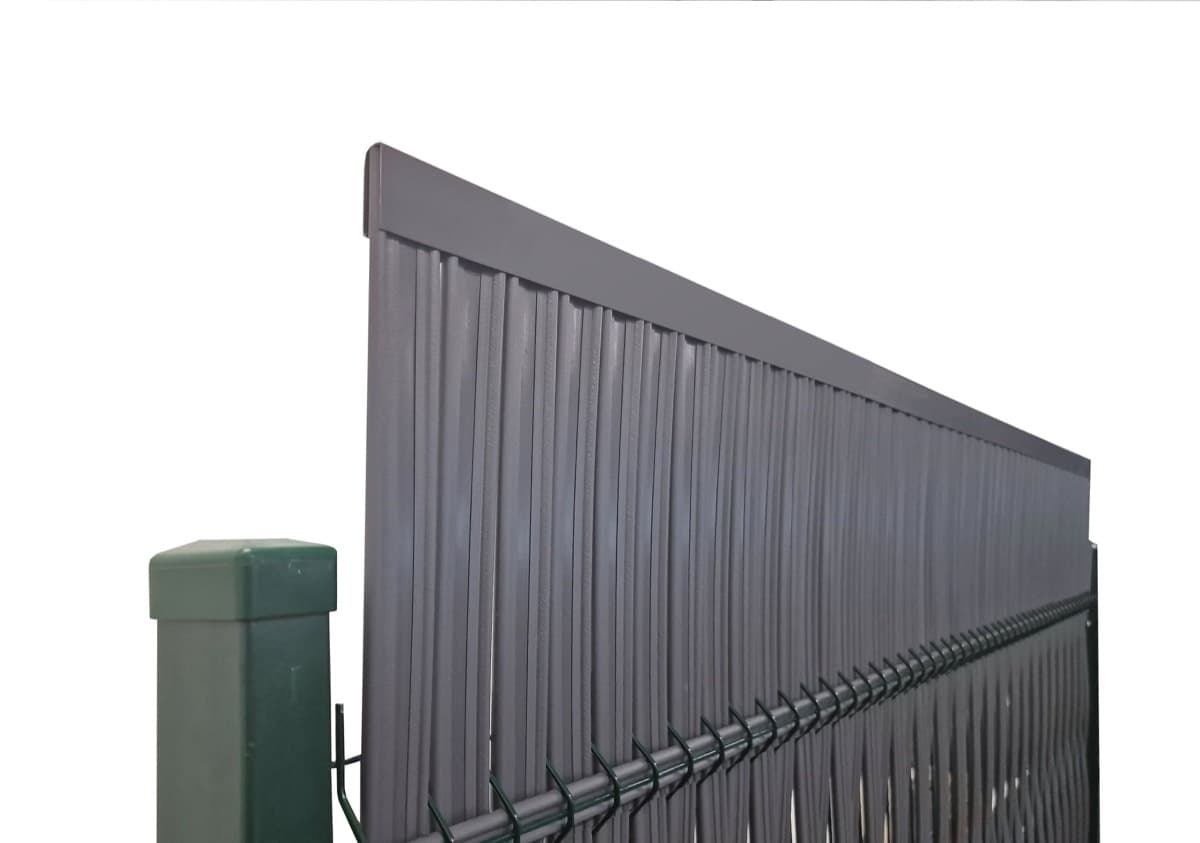
3D panel fences are the most popular type of fencing. They are durable, affordable, and quick to install - but let's be honest, they look quite plain. A metal mesh in green or graphite is not the pinnacle of aesthetics. Fortunately, there are several proven ways to transform a boring panel into an attractive screen. Discover how to revamp your fence without replacing the entire structure.
The problem with panel fences
3D panel fences fulfil their basic function - they mark the property boundary and provide minimal security. But they have several notable aesthetic drawbacks:
- No privacy - neighbours can see every move in your yard.
- Harsh, industrial look - metal wires do not add charm to a property.
- Monotony - all panels look identical, with no character.
- No wind protection - panels let wind through like a sieve.
Replacing the entire fence is a major expense - several thousand in costs. But there are cheaper ways to achieve a transformation.
Method 1: Fence strips - the fastest makeover
Polyethylene fence strips are by far the quickest and most effective way to transform a panel fence. You slide them vertically into the panel mesh, and after 30 minutes you have a completely different fence.
The before-and-after effect is truly spectacular. Instead of a transparent metal mesh, you see an elegant, uniform surface in your chosen colour. A panel that previously looked like a car park fence suddenly resembles a modern louvre fence at a fraction of the price.
- Installation time - about 30 minutes per span (2.5 m).
- Tools - none, non-invasive installation.
- Durability - polyethylene lasts 10+ years without fading.
- Reversibility - you can remove the strips at any time without a trace.
Tip: If you want to maintain partial transparency (e.g., on the garden side), you can install strips on selected spans only - for example, facing the street and neighbours.
Method 2: Climbing plants + strips
Combining fence strips with climbing plants is a recipe for a truly stunning fence. Strips provide instant privacy while plants add natural charm over time.
- Ivy - evergreen, spreads quickly, needs no support structures.
- Virginia creeper - beautiful autumn colours, very fast growth.
- Russian vine - one of the fastest-growing climbers, white flowers in summer.
- Clematis - abundant blooms, many varieties and colours.
Strips serve as a backdrop for plants and ensure privacy in winter when deciduous climbers lose their leaves. This combination looks natural and elegant all year round.
Tip: Choose a strip colour that complements greenery - dark brown or grey creates a neutral background for plants. Avoid bright colours that may compete with flowers.
Method 3: Fence lighting
Well-chosen lighting can transform a fence in the evening and at night. These options work well:
- Solar post cap lights - mounted on top of fence posts, no wiring needed.
- LED strips - attached along the top edge of the panel, creating a subtle light line.
- Directional spotlights - placed at the base, illuminating the fence from below for a dramatic effect.
- Solar net lights - threaded through the panel mesh, creating a curtain of light.
Lighting works particularly well with fence strips - light reflects off their surface, creating a warm, cosy atmosphere. Anthracite or dark brown strips look exceptionally elegant in warm light.
Choosing strip colour for your property
The strip colour should harmonise with the rest of your property. Here are some guidelines:
- Red brick house - dark brown strips will emphasise the warm character.
- Modern rendered house - anthracite (RAL 7016) is a classic of modern architecture.
- Wooden house - light brown or straw-coloured strips echo natural materials.
- Garden-heavy property - green strips blend into the surroundings.
- Minimalist property - grey strips provide an elegant, subdued look.
Tip: If you are unsure about the colour, anthracite is the safest choice. It suits practically any architecture and facade, looks modern, and does not show dirt as quickly as lighter colours.
Cost comparison of fence makeover options
How much does it cost to change the appearance of a panel fence? Let's compare different options for a typical 40-metre fence (16 spans):
- Fence strips - approx. 1,100-1,700 EUR (16 sets). Self-installation in one weekend.
- Painting panels - approx. 500-750 EUR (paint + labour). Needs repeating every 3-5 years. Does not provide privacy.
- New louvre fence - approx. 3,700-7,400 EUR including installation. Most expensive but most durable solution.
- Hedge - approx. 370-750 EUR (seedlings) + years of waiting for effect. Requires regular maintenance.
Fence strips offer the best value for the effect. For the price of painting (which needs repeating anyway), you get a lasting visual change plus full privacy.
The before-and-after effect
Imagine your current fence - grey or green wires through which your yard is visible to everyone. Now picture the same span after installing strips:
- Before - transparent mesh, visible bins, washing line, children's toys.
- After - a uniform, elegant surface in your chosen colour. A private yard, an attractive view from the street.
The change is instant and visible right after installation. No waiting for plants to grow, paint to dry, or a contractor to arrive. In one weekend you can transform the entire perimeter of your property.
Summary
A panel fence does not have to look bland and industrial. Fence strips are the fastest way to a spectacular makeover - tool-free installation in 30 minutes per span, instant results, full privacy, and wind protection. Combined with climbing plants and lighting, you can create a fence that becomes a feature of your property rather than its weak point. And all at a fraction of the cost of a new fence.